A careful guide to apologising with a gift: when it helps and when it does not, what to give to a partner, a friend, a parent or a colleague, and how to write the words that matter most.
The short answer
- A gift cannot make an apology. It can carry one. The words and the change in behaviour do the work, and the gift only shows that you mean them.
- Apologise first, in person or by voice if you can, then give the gift. A gift that arrives instead of an apology can look like an attempt to avoid one.
- Choose something small and thoughtful that shows you know the person: a gift tied to what you got wrong, or to something they love.
- Write the card yourself and keep it short and specific. Name what you did, say you are sorry and say what you will do differently.
- Avoid gifts that are large, public or conditional. They put pressure on the other person to forgive, which is the opposite of an apology.
Everyone has needed to say sorry and has wondered whether a gift would help. Sometimes it does. A small, thoughtful gift can show that you took the trouble to think, that you know the person and that you care about what happened. Sometimes it makes things worse, because it looks like a way to skip the hard part. This guide is about the difference, and about choosing sorry gift ideas that carry an apology without replacing it.
It covers when a gift helps and when it does not, what to give to a partner, a friend, a parent and a colleague, what to write, and how to give it. For general ideas on words, see the Valentine's Week guide and the gift wrapping ideas guide.
A gift is not an apology
This is the most important thing in the guide, so it comes first. An apology is a set of words and a change in behaviour. It says what you did, that you understand how it affected the person and that you will act differently. A gift can sit beside those words and make them feel warmer. It cannot take their place.
- Say sorry first. In person if you can, or on a call. A text can come later or accompany the gift, but an apology that arrives only as a parcel looks like an escape.
- Do not expect forgiveness in return for a gift. If the person is not ready, a gift does not change that, and pushing makes it worse.
- Do not use a gift to end the conversation. Sometimes the person needs to say what they felt. Listen first.
- Change the thing. The best gift is a changed habit. If you were late, be on time. If you forgot, set a reminder. A gift can mark the change but cannot replace it.
When a gift helps, and when it does not
| Situation | A gift may help if | A gift will not help if |
|---|---|---|
| A small slip, such as forgetting a plan | It is small and shows you remembered what mattered to them | It is large or dramatic for a small thing |
| An argument in which you were wrong | You have apologised and listened, and the gift is a gentle gesture | It arrives instead of the conversation |
| A serious breach of trust | It is a small symbol after real, sustained change | It is offered as a quick fix |
| A missed occasion, such as a birthday | It is thoughtful and arrives with an honest apology | It is the biggest thing you can buy, to cover the guilt |
| A workplace mistake that affected a colleague | It is modest and follows a sincere apology | It looks like an attempt to buy goodwill |
If you are unsure, ask yourself one question: if the gift were taken away, would the apology still be complete? If yes, the gift is a kind addition. If no, do the apology first.
Sorry gift ideas by person
For a partner
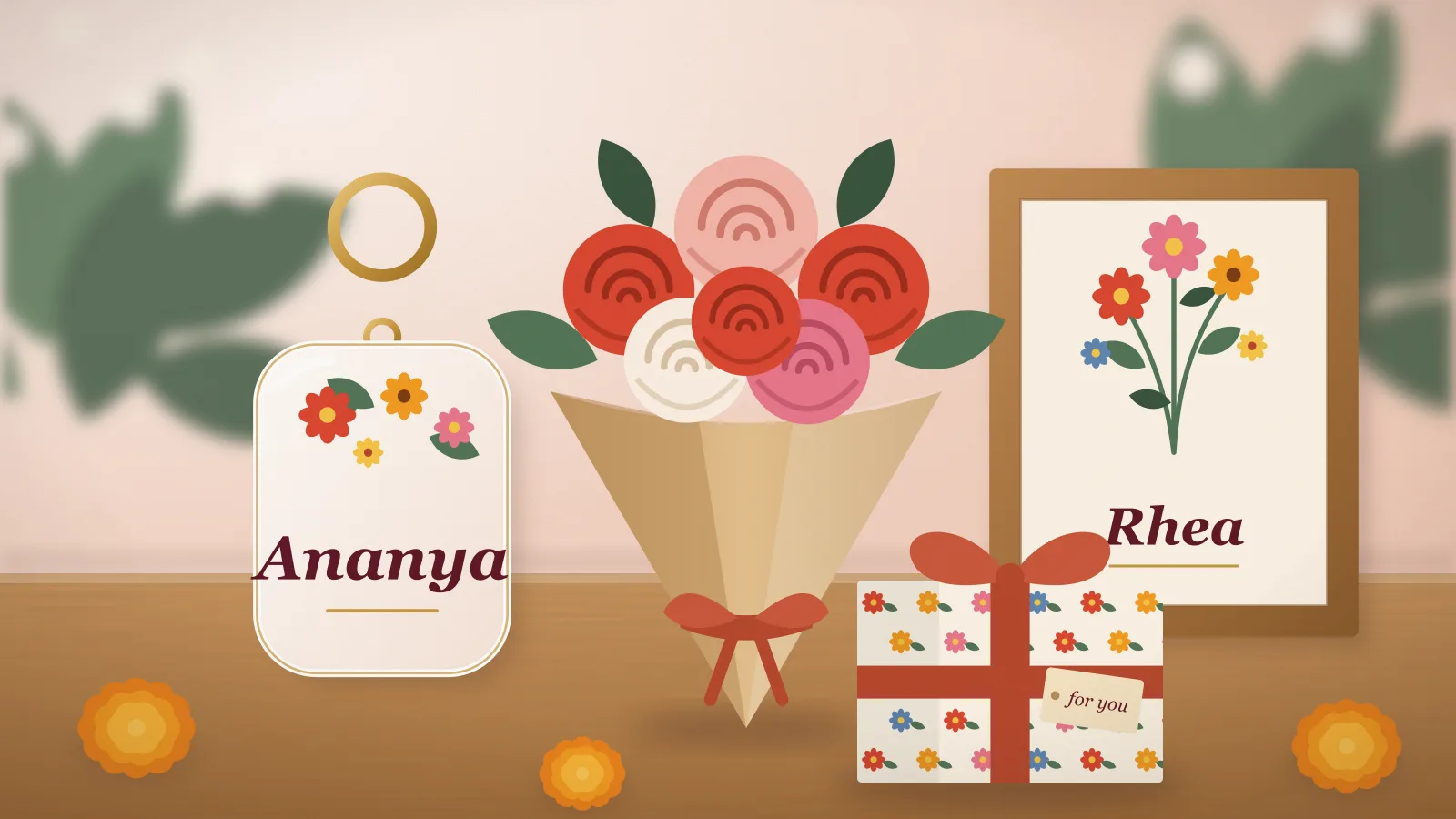
Choose something that shows you know them: their favourite flowers, a book they mentioned, a small piece with their name, a framed photograph from a happy day. A bouquet that does not wilt is a gentle choice, because it stays as a reminder that you are trying. Pair it with a card, a plain, honest note. Do not choose anything that suggests the matter is closed, such as a trip, a piece of jewellery or a big gesture, unless the person has already shown they are ready.
For a friend
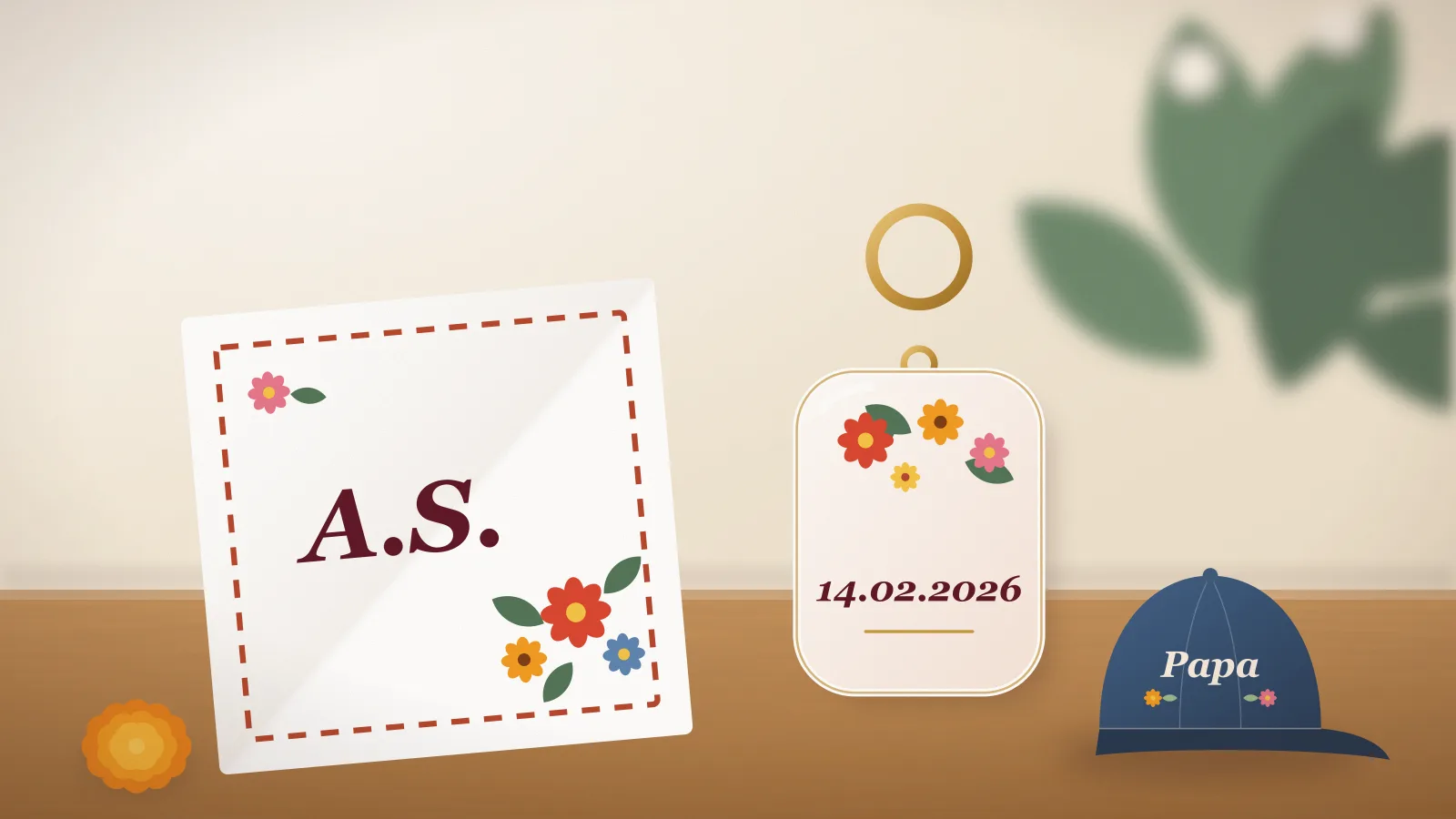
A friend is usually best served by a small, real gesture: a favourite snack, a handwritten letter, a keychain or a handkerchief with their name, an invitation to a coffee that you pay for. Friends forgive faster when they feel seen, and a small thing that shows you remembered them says more than a large one.
For a parent
Parents respond to time and respect more than to objects. A visit, a long call, doing the thing you promised, and a small gift such as a framed photograph, a handkerchief set or a bouquet that lasts. A short note that says you are grateful, and sorry for what you said, can mean more than any gift. See gifts for dad and handmade gifts for mom.
For a brother or sister
Siblings forgive with humour. A small, personal gift with a joke that only you share, such as a name keychain with a nickname, can melt a quarrel quickly. Add a line saying you are sorry. Make sure the humour is kind and does not make light of what happened.
For a colleague
Keep it modest and professional. A sincere apology first, in person, then a small gesture such as coffee, a note or a modest desk gift. Avoid anything personal or expensive. A gift that looks like an attempt to buy goodwill at work does more harm than good.
For a child
Children need the same honesty as adults, in simple words: "I was wrong to shout, and I am sorry." A small gift, such as a book, a sticker or a personalised keychain, can help a child feel that the apology is real. Never use a gift to make a child stop being upset.
What to write in the card
The card is the heart of a sorry gift. Write it by hand, keep it short and make it honest. A good apology has four parts, and a card can hold all four in a few lines.
- Name what you did, plainly. "I was wrong to say that in front of everyone."
- Say you are sorry, without "but". "I am sorry" is complete. "I am sorry, but you also..." takes it back.
- Show you understand the effect. "I know it made you feel small."
- Say what you will do differently. "I will not do it again, and I will speak to you privately next time."
| To | A card |
|---|---|
| A partner | I was wrong to dismiss what you said. I am sorry, and I am listening now. I will do better. |
| A friend | I let you down when I did not turn up. I am sorry. Let me make it up to you, over a coffee on me. |
| A parent | I spoke to you in a way I should not have. I am sorry. Thank you for always being patient with me. |
| A colleague | I should have checked before sending that. I am sorry for the extra work it caused you, and I will make sure it does not happen again. |
Avoid long explanations, defences and the word "but". If you need to explain, do it in a conversation, after you have apologised.
How to give it
- Choose the moment. Not in front of other people, and not when the person is rushing.
- Apologise first, in words, and let them respond.
- Give the gift quietly, with the card, and do not wait for a reaction.
- Accept the response, whatever it is. If they need time, give time.
- Follow through. The weeks after matter more than the day of the gift.
Mistakes to avoid
- A big, public gesture, which can feel like pressure.
- A gift without words. It reads as an attempt to avoid them.
- Conditional wording, such as "I am sorry if you were hurt". It puts the fault on the other person.
- Repeating the offence. The kindest apology is a changed habit.
- Giving a gift that mocks the situation. A joke can come later, if the person starts it.
- Leaving it until the person has stopped waiting. A late apology is better than none, but an early one is best.
After the apology: what happens next
An apology does not end when the gift is given. The days and weeks that follow are where it becomes real. Keep your word about whatever you promised to change, and do it without being asked. If the other person wants to talk, listen without defending yourself. If they need space, give it without sulking. If they forgive you, accept it quietly and do not bring the matter up again to score a point. If they do not forgive you yet, accept that too, and keep behaving the way you said you would.
Over time the gift will fade into the background, and what remains is whether the person feels safe with you again. That is built by small, repeated acts, not by one large one. A card kept in a drawer, a flower on a shelf, a promise honoured: these are what turn a sorry into a repair.
What can the studio make?
From our workshop. Every piece at HeartCraftedStudio is made by hand, so no two are exactly alike. Everything is made to order, and a design is shown to you for approval before anything personalised is made. We make bouquets and flower arrangements that do not wilt, name keychains, handkerchiefs, caps and T-shirts personalised with a name, and photo frames and wall clocks. Personalised pieces need about two weeks, and we do not promise a turnaround, so for a sorry that cannot wait, a bouquet or a ready piece and a heartfelt card may be the right choice. You can browse the shop or message us on WhatsApp, and we will tell you plainly what can be ready in time.
Questions people ask
Is it a good idea to give a gift to say sorry?
It can be, if it comes with a sincere apology and a change in behaviour. A gift cannot replace the words. Apologise first, then give a small, thoughtful gift.
What is a good sorry gift for a partner?
Something small that shows you know them: their favourite flowers, a bouquet that does not wilt, a framed photograph or a personalised piece, with a short, honest card. Avoid big gestures that suggest the matter is closed.
What should I write in an apology card?
Name what you did, say you are sorry without a "but", show you understand the effect and say what you will do differently. Keep it short and write it by hand.
Can a gift fix a serious breach of trust?
No. A gift can be a small symbol after real, sustained change, but it cannot be a quick fix. The person needs time, honesty and changed behaviour.
What should I avoid when apologising with a gift?
Large or public gestures, a gift without words, conditional wording such as "if you were hurt", jokes about the situation and repeating the offence.
How far ahead should I order a personalised sorry gift?
Personalised pieces need about two weeks. For a sorry that cannot wait, choose a ready piece or a bouquet and write a heartfelt card, and message the studio on WhatsApp to ask what can be ready.
Looking for a gesture to go with your words?
Tell us who it is for and the date, and we will tell you what can be ready. A design is shown for approval before anything personalised is made.

Written by Srushti Pawar
HeartCraftedStudio is a brand of Quavento Technologies. We make personalised gifts by hand, to order. These guides are written to help you choose, and we say when an idea comes from another maker. Published .